
Category: Artificial Intelligence
-

MIT Study Reveals AI Reasoning Models Think Like Humans
MIT researchers discovered that AI reasoning models mirror human thinking patterns, requiring similar computational effort for complex problems. The study reveals striking parallels between how humans and AI process difficult tasks, marking a significant breakthrough in understanding artificial intelligence cognition.
-

Meta’s Agentic Solution for Data Warehouse Access Management
Meta transforms data warehouse access with multi-agent AI system featuring specialized data-user and data-owner agents. The solution addresses growing complexity in data access patterns through context-aware permissions, granular query control, and rule-based risk management while maintaining security guardrails.
-

MIT Develops New Method to Test AI Text Classification Accuracy
MIT researchers develop innovative method to test and improve AI text classifier accuracy using adversarial examples. Their breakthrough identifies powerful words that influence classification outcomes, creating open-access tools that reduce attack success rates and enhance AI reliability across critical applications.
-

Real-Time Baggage Analytics Using AWS Kinesis Data Streams
IBM and AWS developed a framework to modernize airline baggage analytics using Amazon Kinesis Data Streams, DynamoDB, Apache Flink, and QuickSight. This serverless architecture delivers real-time insights, cost savings, enhanced scalability, and improved operational efficiency for airlines.
-

FutureHouse Accelerates Scientific Discovery with AI Agents Platform
FutureHouse, founded by MIT researchers, launches AI platform with specialized agents to accelerate scientific discovery. The platform automates literature review, experiment planning, and data analysis, addressing declining scientific productivity. Early results show promising applications in medical research and drug discovery.
-

Revolutionizing Hospital Care: AI-Assisted Patient Monitoring Without Compromising Privacy
Discover how Hypros and Google Cloud developed an AI-assisted patient monitoring system that detects hospital emergencies without compromising privacy. This innovative solution uses low-resolution sensors and advanced AI models to alert staff to falls, delirium onset, and other critical situations, enhancing patient safety while respecting dignity.
-
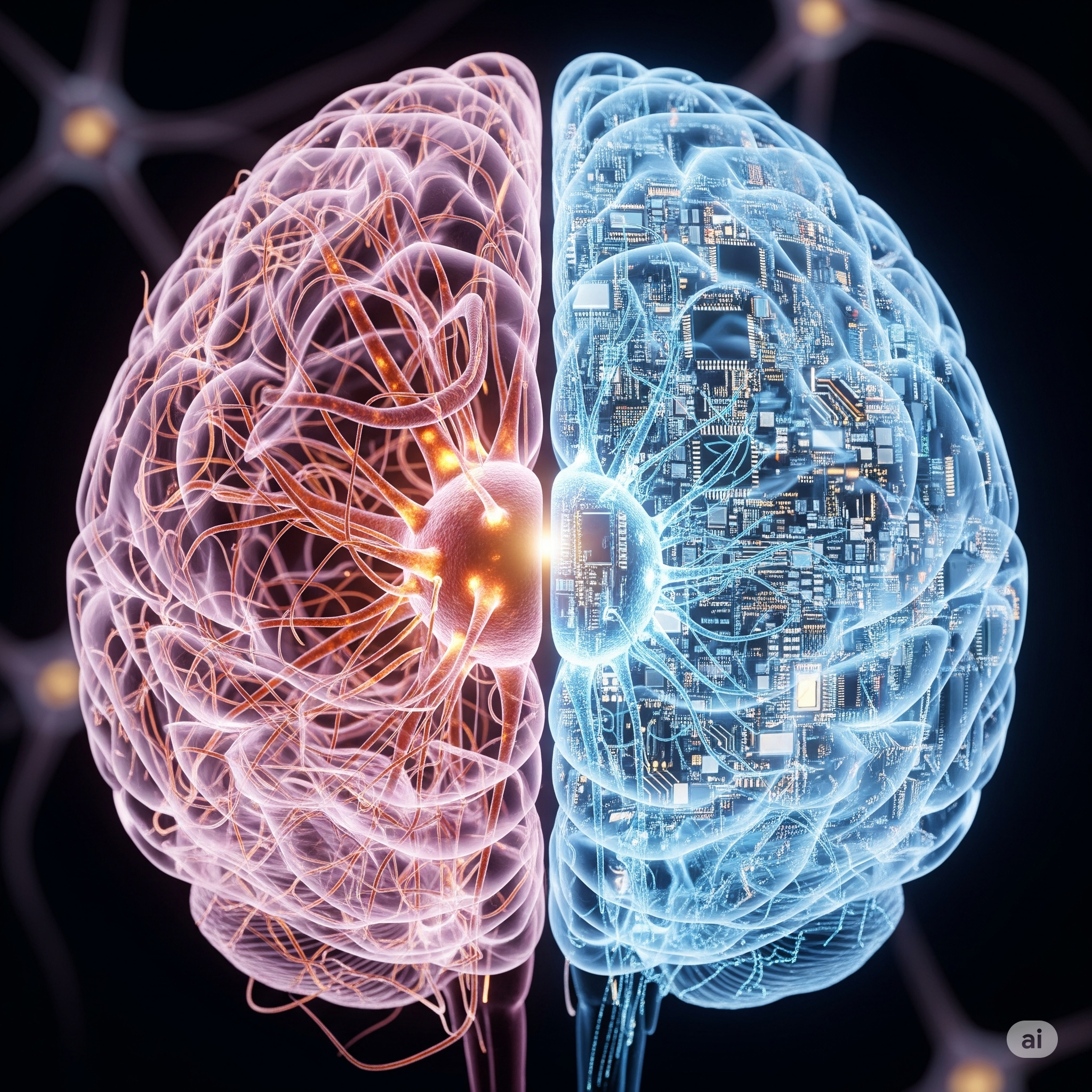
MIT’s SASA Method: Training LLMs to Self-Detoxify Their Language Output
MIT researchers have developed SASA, a method allowing Large Language Models to detoxify their own outputs without retraining. This system creates internal boundaries between toxic/non-toxic subspaces, helping LLMs generate appropriate content while maintaining natural language fluency—similar to how humans develop internal filters for appropriate speech.
-
The Path to AGI: Balancing Innovation with Responsibility and Safety
Google DeepMind is pioneering a responsible approach to Artificial General Intelligence (AGI), balancing innovation with safety. Their framework addresses misuse, misalignment, and transparency while collaborating with global partners to ensure this transformative technology benefits humanity safely.
-

Reducing Carbon Footprint with Google’s Hardware Harvesting Program
Google’s hardware harvesting program is reducing carbon emissions by reusing existing hardware components in data centers instead of buying new ones. In 2024, they repurposed over 293,000 components, saving costs and reducing environmental impact while supporting their net-zero goals.